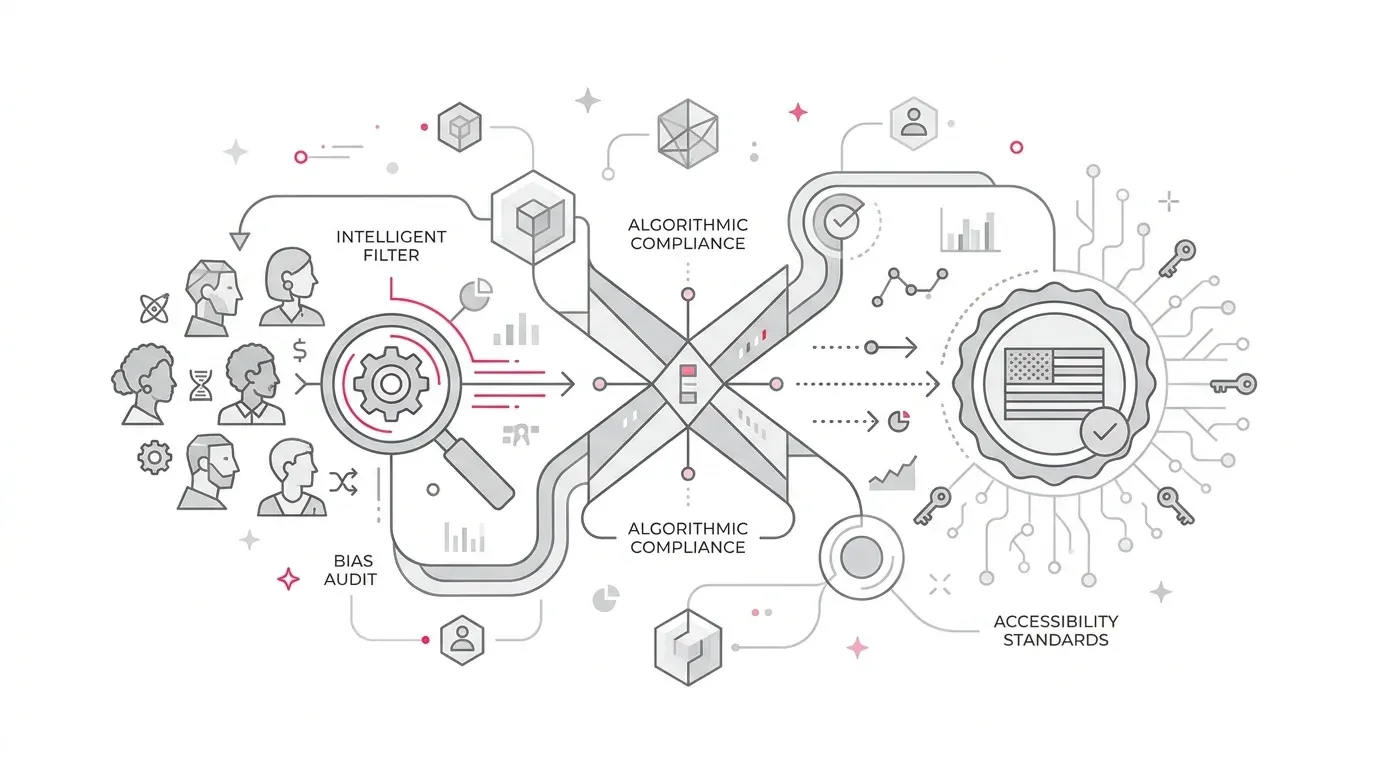
Remote hiring can turn an unexamined talent screening weakness into an enterprise data security incident. In April 2026, the US Department of Justice sentenced facilitators of a sprawling remote IT worker scheme that used over 80 stolen identities to infiltrate more than 100 US companies, generating over $5 million in illicit revenue while exfiltrating proprietary source code and enterprise data.
Executive Principle: Remote hiring fraud is not merely a recruiting quality issue—it is an insider threat, identity governance, and cyber risk. The solution is not turning interviews into interrogations, but building a proportionate, multi-layered control model.
The critical mistake many organizations make is treating 'fake candidates' as a monolithic problem and relying on a single black-box 'fraud score'. Effective defense requires disentangling identity proofing, assessment integrity, and post-hire endpoint access into distinct, verifiable control layers.
Deconstructing the Threat: Three Distinct Fraud Vectors
- Identity Deception: Stolen, synthetic, or borrowed credentials where a proxy attends the interview or an overseas applicant poses under a false domestic identity.
- Interview-Integrity Manipulation: A legitimate applicant utilizing covert live coaching, off-camera teleprompters, or real-time AI audio/text injection tools to fabricate domain competency.
- Post-Hire Access Abuse: The interviewed candidate succeeds, but equipment is intercepted by a 'laptop farm' or remote desktop gateway, allowing unverified third parties to access production networks.
The Five-Layer Remote Hiring Control Framework
Enterprise security and talent leaders should implement a structured, progressive defense across the candidate lifecycle:
- Layer 1: Role-Based Risk Tiering — Differentiate screening friction by role sensitivity (e.g., administrative production access vs. non-technical roles) in alignment with UK ICO proportionality guidelines.
- Layer 2: Pre-Interview Transparency & Baselines — Explicitly disclose evaluation criteria, permitted assistive tools, recording consent, and provide alternative human accommodation pathways.
- Layer 3: Evidence-Producing Dynamic Interviews — Replace rehearsed trivia with scenario-based explorations where candidates explain architectural trade-offs, past failures, and decision rationales.
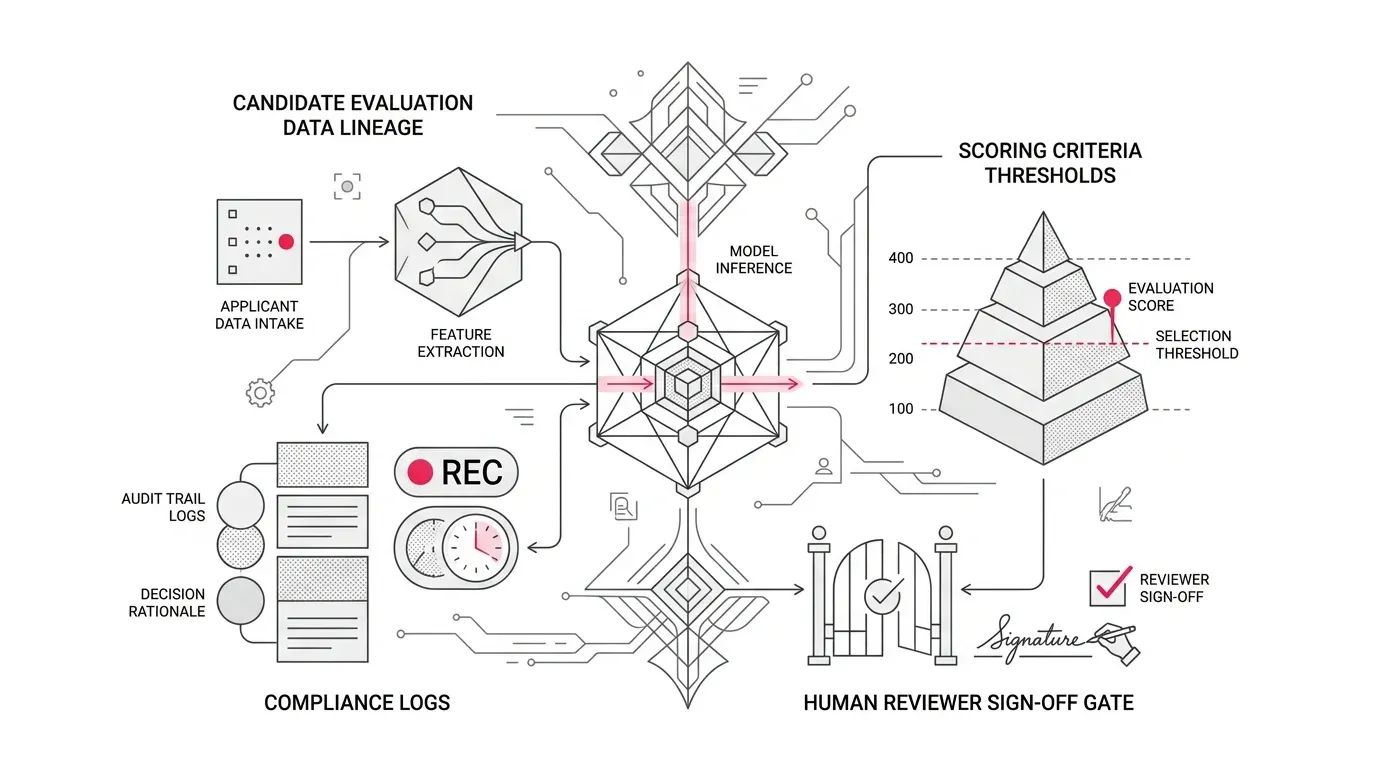
- Layer 4: Separation of Skills Scoring from Integrity Review — Treat acoustic anomalies or window-focus flags as triggers for human review rather than automatic skills deductions, adhering to NIST SP 800-63A-4.
- Layer 5: Continuous Onboarding & Endpoint Verification — Enforce managed hardware shipping controls, hardware-bound MFA, and cross-verify early code commits and communication patterns.
Protecting Legitimate Candidates: Fairness and Redress
A fraud prevention system that systematically alienates authentic talent, neurodivergent candidates, or individuals with poor internet connectivity is fundamentally flawed. Organizations must embed ethical safeguards into their detection architecture:
- Data Minimization: Collect only the telemetry necessary for the verified risk tier, with strict statutory retention periods.
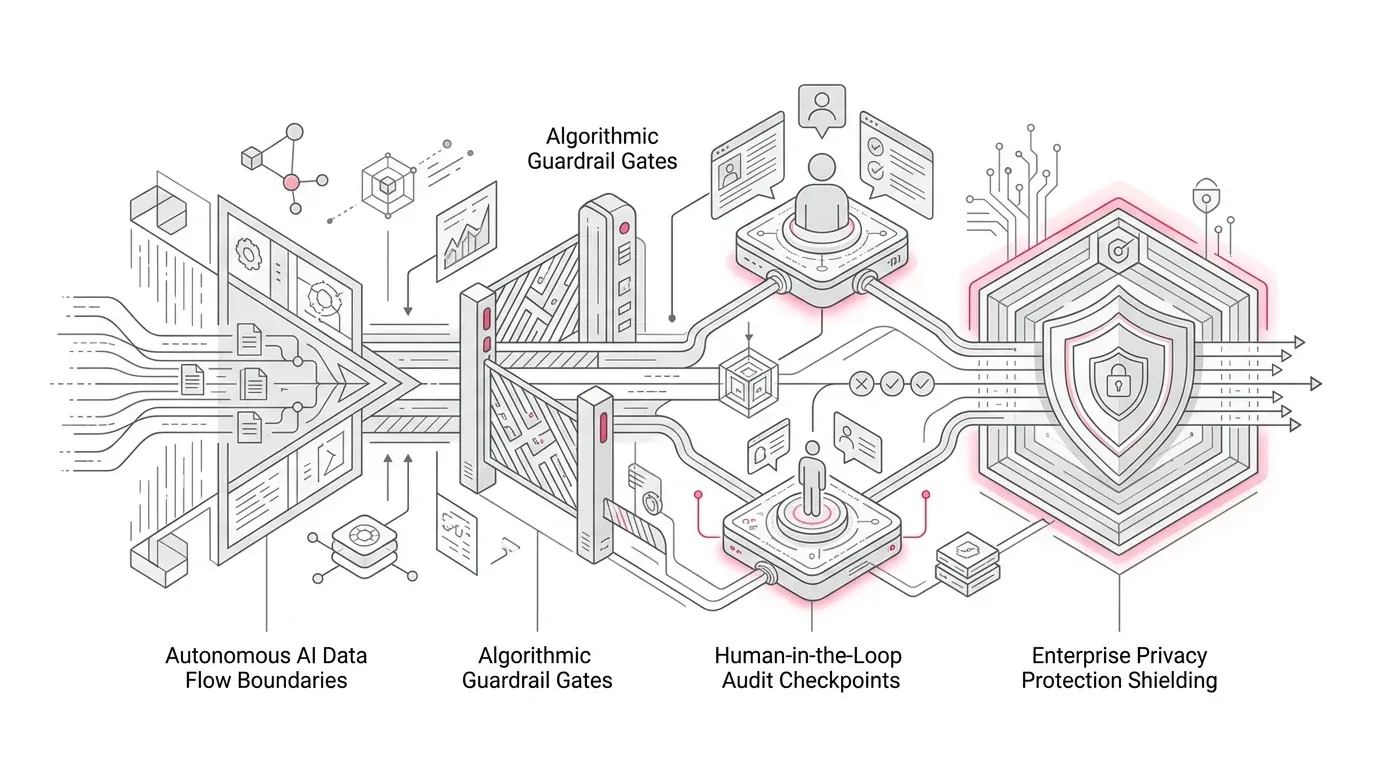
- Human-in-the-Loop Safeguards: Prohibit automated algorithmic rejections based on video or audio telemetry flags alone.
- Transparent Redress Mechanisms: Provide candidates a straightforward mechanism to explain audio latency, network drops, or peripheral tool usage.
- Bias Auditing: Continuously measure false-positive rates across demographics, regional dialects, and hardware profiles.
10-Point Procurement Scorecard for Hiring Integrity Platforms
| Control Domain | Evaluation Question for Vendors |
|---|---|
| 1. Threat Scope | Does the system detect proxy participation, audio injection, or deepfakes? What is explicitly out of scope? |
| 2. Raw Evidence | Can reviewers inspect the raw acoustic/transcript evidence supporting an anomaly flag rather than a composite score? |
| 3. Error Benchmarking | What are documented false-positive and false-negative rates in real-world networking conditions? |
| 4. Human Override | Can authorized recruiters dismiss false flags and record audit justifications without altering skill rubrics? |
| 5. Candidate Recourse | How are candidate discrepancy explanations captured and escalated to human review? |
| 6. Accessibility & Accommodations | What alternative interview pathways exist for candidates using assistive speech or screen technologies? |
| 7. Data Privacy & Retention | Where is biometric/acoustic data stored, who has access, and how is cryptographic deletion verified? |
| 8. Score Separation | Are technical competence scores kept strictly decoupled from behavioral integrity flags? |
| 9. ATS & Security Integration | How do review queues integrate into enterprise ATS, SIEM, and identity providers? |
| 10. Audit Trail Completeness | Can the full decision sequence—rubric, prompts, answers, telemetry, and reviewer notes—be audited? |
How YuniQ Hired Powers Structured First-Round Screening
YuniQ Hired acts as an autonomous first-round vetting assistant, parsing job descriptions into standardized competency rubrics and conducting real-time conversational voice interviews.
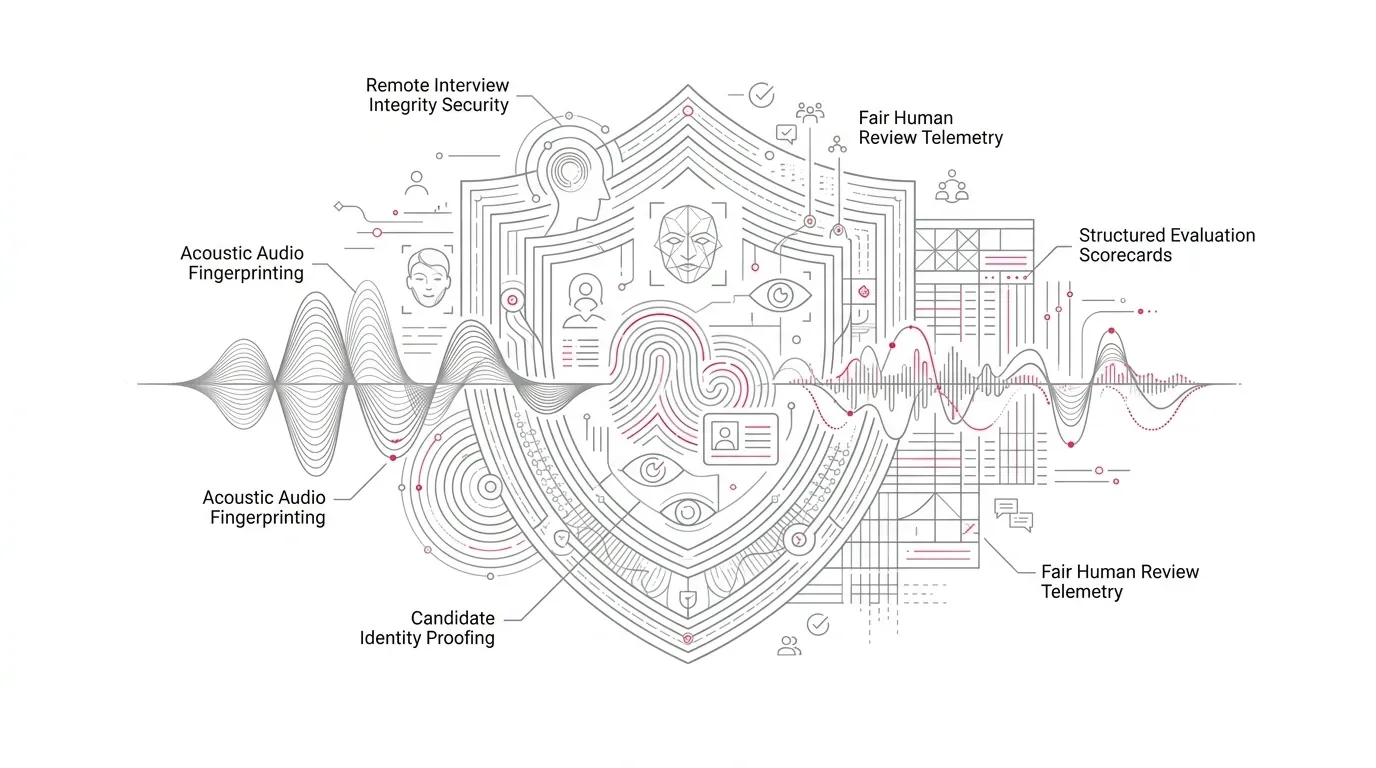
Within the broader control architecture, Hired provides objective competency scorecards alongside stated malpractice signals—including acoustic audio-fingerprinting and window-focus-state logs. These telemetry signals act as prompts for human review, ensuring consistent, auditable screening across high-volume pipelines while leaving formal identity verification and background vetting to dedicated enterprise controls.
A 30-Day Phased Pilot Plan
- Week 1: Policy & Risk Baseline — Select a pilot engineering or operations role, establish acceptable candidate tools, and configure review escalation paths.
- Week 2: Rubric & Scenario Calibration — Dry-run the workflow against known baseline interviews, assistive tech setups, and simulated acoustic anomalies.
- Week 3: Disclosed Live Cohort — Deploy to a small candidate cohort with full transparency, tracking completion rates, review turnaround times, and candidate feedback.
- Week 4: Evaluation & Governance Gate — Review false-positive frequencies, candidate recourse requests, and cross-functional handoffs before enterprise rollout.
Summary: Resilient remote hiring combines transparent identity proofing, structured interview evidence, acoustic integrity cues, and hardened onboarding. Build a defense that stops bad actors while welcoming authentic talent.