What EU Cyber Resilience Act Reporting Reveals About Your Legacy Software Portfolio
A security team finds an actively exploited vulnerability in a library that has been embedded in a product for years. The current product uses a patched version, but three older releases remain in customer environments. No one can quickly confirm which builds contain the component, which customers use them, or who owns the final reporting decision.
That is no longer only a technical-debt problem.
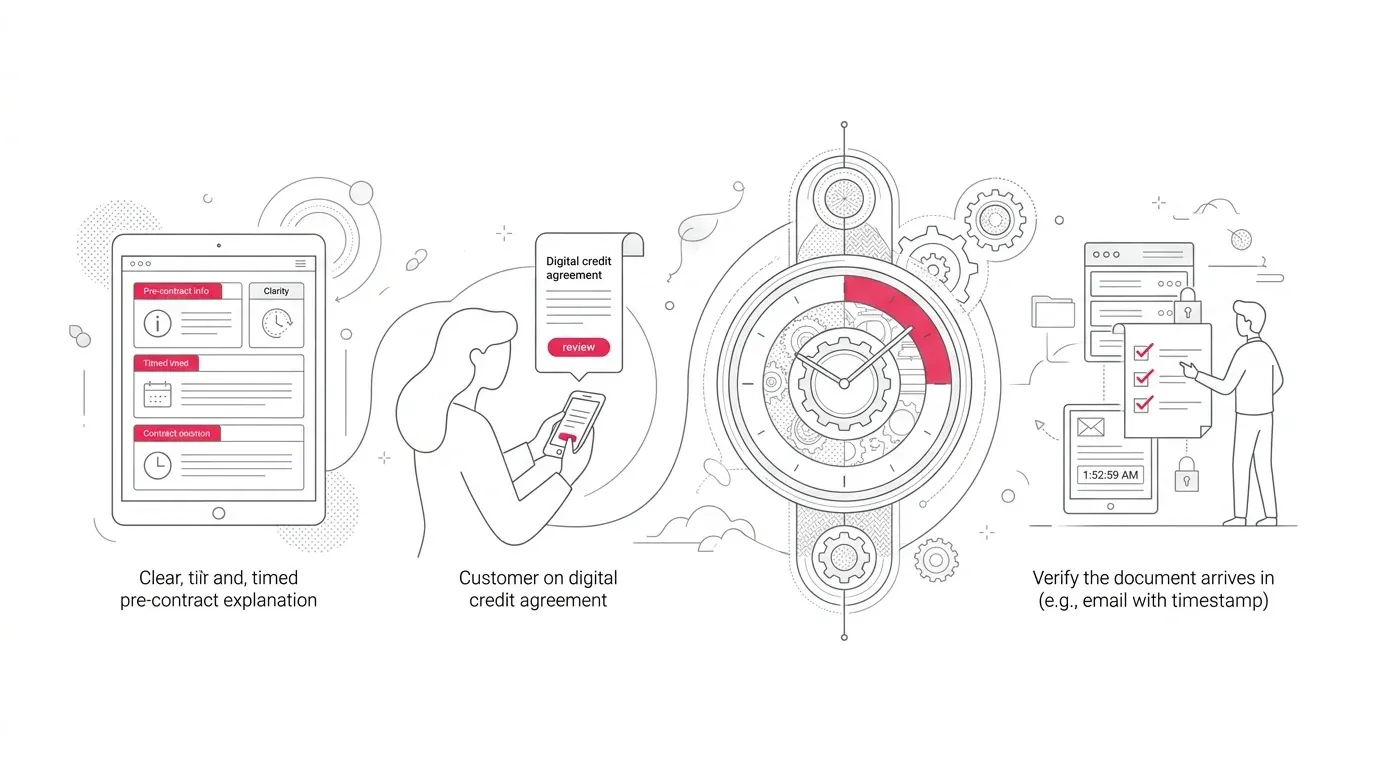
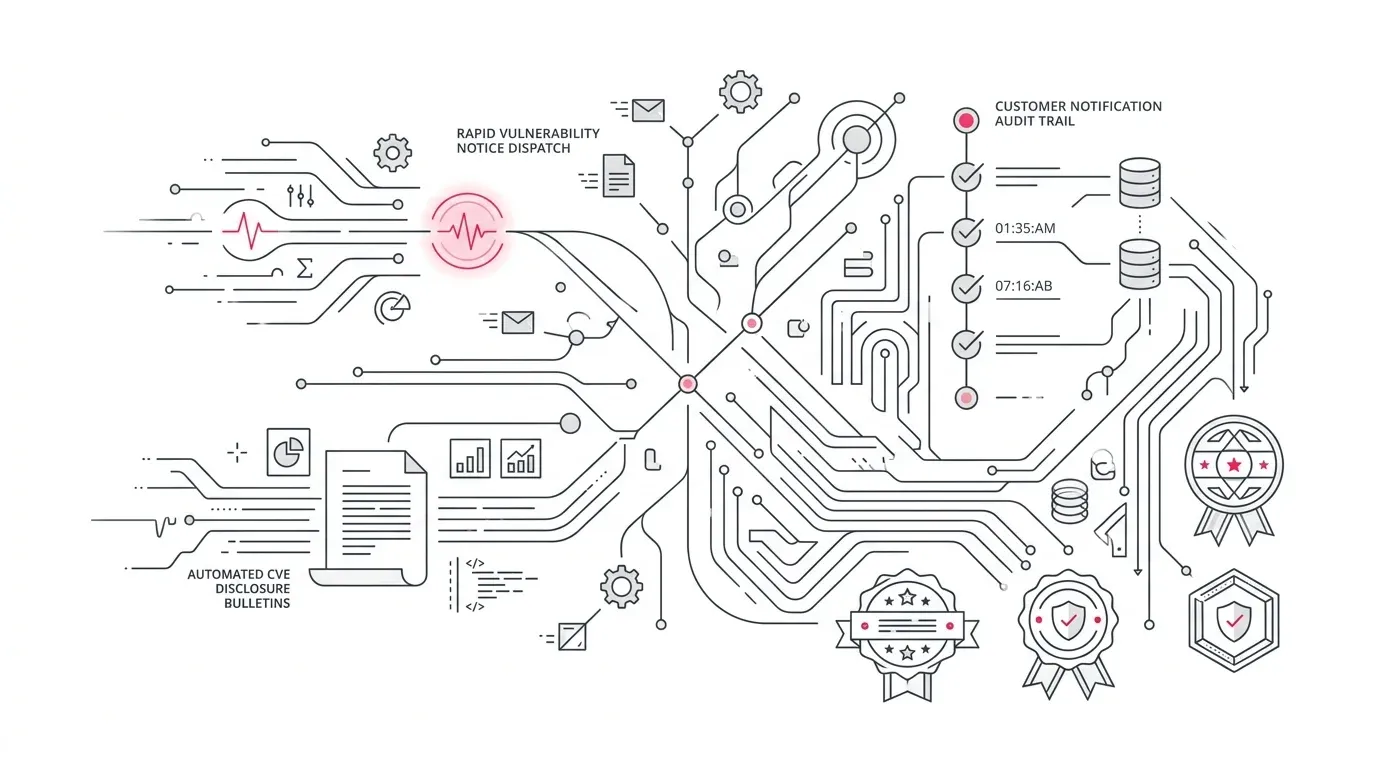
Since 11 September 2026, the European Union's Cyber Resilience Act has required manufacturers to report actively exploited vulnerabilities and severe incidents affecting the security of products with digital elements. The first warning is due within 24 hours of awareness, followed by a fuller notification within 72 hours. The European Commission's reporting guidance sets later deadlines for final reports.
The clock does not pause while an organization reconstructs ownership, searches old release notes, or discovers an undocumented dependency. For leaders responsible for software products made available in the EU, reporting readiness is therefore becoming a practical test of the software estate itself: can the organization see what it ships, determine what is affected, coordinate a decision, and change the product safely?
This guide sets out eight controls that connect CRA reporting readiness with legacy modernization. It is operational guidance, not legal advice. Scope and obligations should be confirmed for each product with qualified counsel.
What Changed in September 2026?
The CRA applies to hardware and software products with digital elements made available on the EU market, including final products and components placed on the market separately. Whether a particular application, service, component, or remote data-processing solution falls within scope depends on the facts and the regulation's definitions. An internal application is not automatically in scope, and neither is every SaaS service. Document the analysis rather than relying on a label.
For in-scope manufacturers, two events can trigger mandatory reporting:
- An actively exploited vulnerability, where reliable evidence shows that a malicious actor has exploited the vulnerability without the system owner's permission.
- A severe incident that affects, or is capable of affecting, the product's ability to protect the availability, authenticity, integrity, or confidentiality of data or functions.
The ENISA Single Reporting Platform FAQ describes the sequence:
- Early warning without undue delay and within 24 hours of awareness.
- A notification with general information and an initial assessment within 72 hours.
- For an actively exploited vulnerability, a final report no later than 14 days after a corrective or mitigating measure becomes available.
- For a severe incident, a final report within one month of the 72-hour notification.
The wider CRA regime has a different date. The Commission says the main obligations apply from 11 December 2027. Reporting, however, is already live. ENISA also notes that the reporting rules can apply to in-scope products placed on the market before the 2027 date when the manufacturer becomes aware of a reportable event after 11 September 2026.
For those older products, the live duty does not automatically import every wider vulnerability-handling requirement ahead of 2027. It does, however, require the manufacturer to report qualifying events and inform impacted users, where applicable. Modernization is therefore a practical response to missing evidence and slow remediation, not an Article 14 mandate.
Why Legacy Software Makes the Reporting Clock Harder
The main obstacle is rarely the reporting form. It is the time needed to produce reliable answers.
Legacy products often have several characteristics at once: code without current owners, third-party libraries copied into repositories, customer-specific branches, manual build steps, incomplete deployment records, slow regression testing, and business rules understood by only a few people. A vulnerability alert may name a package, but the organization still needs to establish whether the package is reachable, which builds contain it, where those builds run, what data and functions are exposed, and which remediation will not break a critical workflow.
That is why CRA readiness should influence modernization priorities. The goal is not to rewrite everything before the next incident. It is to remove the forms of opacity that make a defensible response impossible.
Eight Controls for CRA-Ready Legacy Modernization
1. Establish a Product, Version, and Owner Register
Start with the commercial product boundary, not the infrastructure inventory. For each product made available in the EU, record the responsible legal entity, product owner, security owner, supported versions, distribution channels, customer populations, necessary remote services, repositories, build pipelines, and deployment locations.
Then connect each legacy application and component to that product record. The result should answer a basic incident question in minutes: who owns the decision for this affected product and version?
The register is also where legal and technical views meet. Counsel can record the scope rationale; engineering can record the systems and versions that implement the product; security can record monitoring and escalation paths.
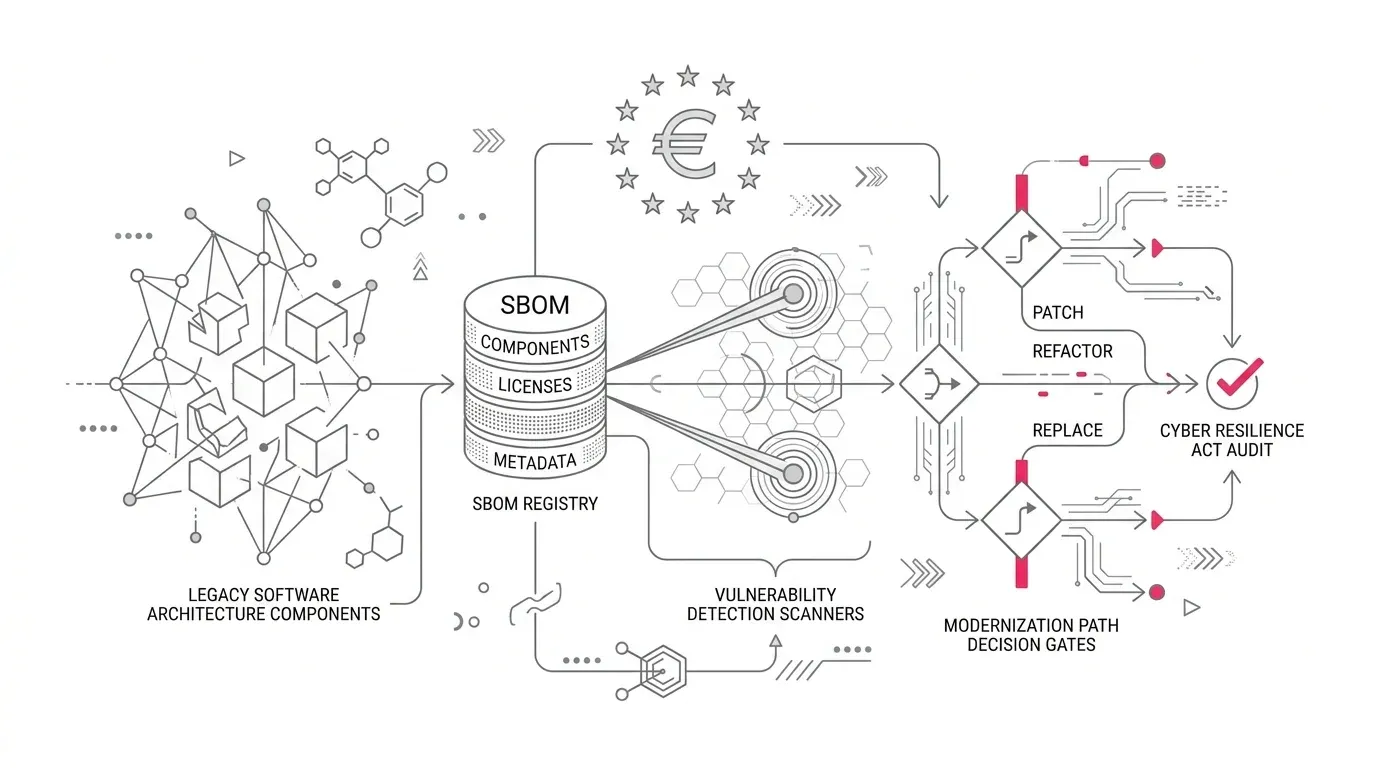
2. Build Component Traceability Beyond a One-Time SBOM
A software bill of materials, or SBOM, is a structured inventory of software components. It is useful, but a static file is not the same as operational traceability.
For each released version, connect component data to source provenance, build artifacts, deployment records, end-of-support status, and known customer exposure. Include vendored code, plugins, container base images, build tools, and components inherited through platforms where they can affect the shipped product.
The practical test is not "Do we have an SBOM?" It is "Can we move from a vulnerability identifier to every affected product version and deployment quickly enough to support the 24-hour assessment?"
3. Define the Awareness and Escalation Threshold
Because the clock starts when the manufacturer becomes aware, the organization needs a written path from signal to decision. Sources may include vulnerability feeds, supplier notices, threat intelligence, customer reports, bug-bounty submissions, monitoring, or an internal incident.
Define who validates evidence of active exploitation, who assesses incident severity, who involves counsel, and who can authorize an early warning. Preserve the time at which relevant personnel became aware and the evidence available at each decision point.
Do not design a process that requires certainty before escalation. The 24-hour stage is an early warning; investigation can continue into the 72-hour notification and final report.
4. Map Dependencies to Business and Customer Impact
A package inventory says what is present. An impact map says what matters.
Connect services, APIs, data stores, identities, customer journeys, and operational workflows to the product versions that depend on them. Record which dependencies are exposed, privileged, safety-relevant, or essential to availability. This is especially important where a legacy platform supports several branded products or nonprofit programs through the same underlying service.
Modernization discovery should therefore extract more than code structure. It should capture business workflows, rules, data relationships, interfaces, and failure modes. That evidence helps teams assess both exploitability and the consequences of a rushed fix.
5. Make the Delivery Pipeline Produce Security Evidence
Modernization is incomplete if the new stack is easier to deploy but no easier to verify.
Use release gates to generate repeatable evidence: source and artifact provenance, dependency and secret scans, static and dynamic tests, access-control tests, regression results, approvals for high-risk changes, and links from requirements to code and tests. NIST's Secure Software Development Framework is a useful baseline because it covers organizational preparation, software protection, secure production, and vulnerability response rather than treating security as a final scan.
AI can accelerate code analysis, test generation, and documentation, but generated output still needs risk-based human review. The acceptance criterion is not that an agent completed a task. It is that the organization can reproduce the build, explain the control, and defend the release decision.
6. Design Remediation and Rollback Into Each Modernization Increment
The ability to identify an affected version is only useful if the team can change it safely.
For each modernization increment, define supported patch paths, automated regression coverage, deployment rings, rollback steps, configuration recovery, and customer communication responsibilities. Test emergency change procedures before an emergency. Where a legacy application cannot be patched quickly, document compensating controls and a time-bound path to replacement.
This is one reason phased modernization is often preferable to a single big-bang release. A well-defined service boundary can reduce the blast radius, produce a deployable unit, and give the team a clearer rollback decision.
7. Rehearse the CRA Reporting Workflow
ENISA's platform is operational, but its initial release does not provide an API for submitting notifications. Organizations can automate internal evidence collection; an assigned representative still submits through the interface.
Identify the appropriate CSIRT designated as coordinator, name primary and backup reporting roles, prepare EU Login accounts with multifactor authentication for likely assigned representatives, and rehearse the information handoff. Follow ENISA's current guidance on when to initiate the formal manufacturer association rather than assuming pre-registration is required.
Run a tabletop exercise with an old component in a customer-specific version. At the 24-hour mark, can the team state what it knows, what remains unknown, which products may be affected, and who approved the submission? By 72 hours, can it provide an initial assessment and mitigation status?
8. Turn Every Incident Into a Modernization Decision
After remediation, perform root-cause analysis at two levels. First ask why the vulnerability or incident occurred. Then ask why the organization needed so long to understand and change the affected product.
The second answer should update the modernization backlog. Repeated findings may reveal an unsupported framework, a manual build, an undocumented integration, an unowned product line, or a test bottleneck. Rank those constraints by the delay they introduce into detection, assessment, remediation, and reporting.
This turns regulatory readiness into a measurable engineering program. Leaders can track reduced time to identify affected versions, improved deployment traceability, shorter validated patch lead time, and fewer products without named owners.
Contain, Wrap, Rebuild, or Retire?
The CRA should not trigger an indiscriminate rewrite. Use the reporting workflow to choose the smallest defensible intervention.
| Option | Use it when | Evidence of progress |
|---|---|---|
| Contain and monitor | The product remains stable, patchable, and well understood, but needs stronger boundaries and detection | Named owner, supported version, component traceability, monitoring, tested incident path |
| Wrap and incrementally replace | Business logic is valuable, interfaces can be isolated, and a phased transition reduces risk | Documented service boundaries, contract tests, migration sequence, rollback plan |
| Rebuild | Unsupported technology, hidden coupling, or manual delivery prevents timely assessment and remediation | Extracted requirements and rules, target architecture, test baseline, versioned release evidence |
| Retire or consolidate | The product duplicates capability, lacks a sustainable owner, or creates risk disproportionate to its value | Approved exit plan, customer transition, data retention and deletion decisions, decommission evidence |
The decision should reflect product value, security exposure, supportability, customer commitments, and the time required to produce reliable incident evidence. Regulatory urgency may change the order of work, but it does not remove the need to preserve critical business logic.
A 90-Day Readiness and Modernization Plan
Days 1-30: Establish Scope, Ownership, and the Incident Path
- Create the product/version/owner register for EU-facing products.
- Record a counsel-reviewed scope rationale and identify ambiguous remote services or components.
- Name security, product, legal, communications, and assigned-representative roles.
- Map current vulnerability and incident signals to the awareness decision.
- Identify the correct CSIRT decision logic and review ENISA's current SRP guidance.
- Select one high-risk legacy product for a readiness pilot.
Days 31-60: Build Traceability and Evidence
- Generate and validate component inventories for supported versions.
- Connect components to builds, deployments, customers, and support status.
- Map business workflows, critical data, integrations, and failure impact.
- Add priority security and regression checks to the delivery pipeline.
- Document patch, rollback, and customer-notification procedures.
Days 61-90: Exercise, Remediate, and Sequence Modernization
- Run a 24/72-hour reporting tabletop exercise.
- Patch or contain the pilot issue through the normal release path.
- Measure time to identify affected versions, approve a decision, and deploy a validated change.
- Convert evidence gaps into a ranked modernization backlog.
- Choose contain, wrap, rebuild, or retire for the next portfolio wave.
- Present leadership with residual risk, owners, dates, and evidence rather than a generic compliance percentage.
Ninety days can create a functioning control loop for a priority product. It cannot guarantee legal compliance across an entire estate, and it should not be presented that way.
Where AI-Assisted Modernization Fits
AI-assisted discovery can reduce the manual burden of understanding a legacy application. It can help inventory modules, extract workflows and rules, identify dependencies, draft documentation, and generate candidate tests. Used well, that creates a faster starting point for human validation and phased redesign.
Yuniq describes an AI-driven legacy modernization approach that extracts workflows, process logic, data structures, requirements, user journeys, rules, dependencies, and technical documentation from complex systems. Its canonical page also describes quality gates, static analysis, and regression monitoring across its AI-driven SDLC.
Those capabilities are relevant to CRA readiness because they can improve visibility and the evidence base for modernization decisions. They are not a substitute for legal scope analysis, product-security ownership, incident judgment, or conformity assessment.
For process-heavy legacy estates, Yuniq's business process modernization experience can also help connect technical dependencies to the operational workflows they support. Where the challenge includes data lineage and cross-system dependencies, an enterprise data architecture workstream may be needed alongside application modernization.
What Leaders Should Ask for Each Month
A board or executive sponsor does not need a spreadsheet of every vulnerability. It needs evidence that the operating system works. Ask for:
- The percentage of EU-facing products with a named business, engineering, and security owner.
- The percentage of supported releases linked to validated component and deployment records.
- Median time to identify affected product versions after a high-priority alert.
- Median time to deploy a validated patch or compensating control.
- Reporting exercises completed and corrective actions still open.
- Products whose unsupported technology prevents timely remediation.
- Modernization decisions made, with residual risk and accountable dates.
These measures connect regulation, engineering, and capital allocation. They also reveal where modernization investment will reduce operational risk rather than merely refresh technology.
Modernize for a Faster, Defensible Response
The most consequential CRA question is not whether a team can complete a form. It is whether the organization can understand and change its products under pressure.
Legacy modernization can make that response faster by clarifying ownership, exposing dependencies, producing repeatable release evidence, and reducing the time required to patch safely. The right program begins with one priority product and a measurable control loop, then expands through the estate based on risk and value.
CTA: Request a consultation with Yuniq to map a legacy product, extract its business logic and dependencies, and define a phased modernization roadmap. Legal scope and CRA obligations should be confirmed with qualified counsel.
Frequently Asked Questions
Does the Cyber Resilience Act apply to all legacy business applications?
No. The CRA applies to products with digital elements made available on the EU market, subject to its definitions, exclusions, and specific rules. Internal software and every SaaS service should not be assumed to be in scope. Document the product boundary and obtain legal advice for ambiguous cases, including necessary remote data-processing solutions.
Are products released before December 2027 covered by the reporting duties?
They can be. ENISA's FAQ points to Commission guidance stating that the Article 14 reporting duties apply from 11 September 2026 to in-scope products, including products placed on the market before 11 December 2027. The precise analysis depends on the product and event.
What are the CRA reporting deadlines?
For a reportable actively exploited vulnerability or severe incident, the early warning is due without undue delay and within 24 hours of awareness. A fuller notification follows within 72 hours. Final-report timing differs: no later than 14 days after a corrective or mitigating measure becomes available for an actively exploited vulnerability, or within one month of the 72-hour notification for a severe incident.
Is an SBOM enough for CRA readiness?
No. An SBOM can identify components, but an organization also needs to connect those components to product versions, builds, deployments, customers, owners, and remediation paths. Traceability and response capability matter more than the existence of a static inventory file.
Can AI make a legacy product CRA-compliant?
AI can accelerate discovery, documentation, dependency analysis, and test creation. It cannot make the legal scope decision, assume manufacturer accountability, or guarantee compliance. Treat AI output as evidence to validate, not as a conformity conclusion.
What should a nonprofit foundation do?
A foundation should first determine whether it makes a product with digital elements available in the EU or is instead an internal user or purchaser. Where it is a manufacturer, the same ownership and reporting questions may apply. Where it is a purchaser, it can still use these controls to assess vendors, support commitments, vulnerability handling, and modernization risk.
---
Editorial note: All legal statements should receive counsel review before publication. Product claims were checked against the Yuniq canonical page on 1 October 2026. No claim of CRA compliance, certification, or guaranteed regulatory outcome is made.